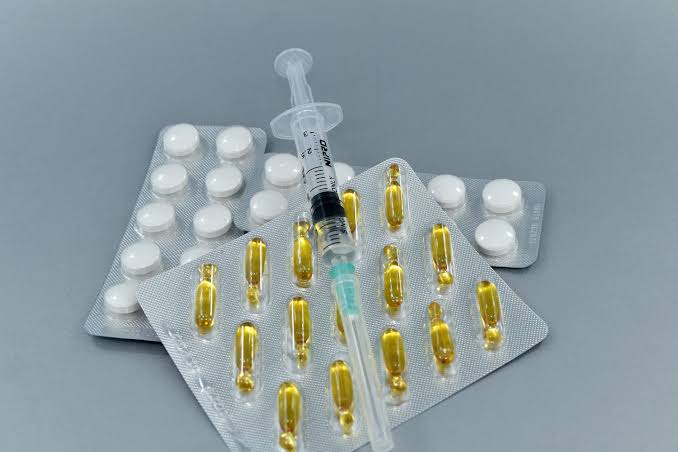
Twelve years separate the first approval of a GLP-1 drug for obesity from the situation in late 2026, in which two competing pills are available to patients. Their arrival marks a turning point in how the world treats one of its most common chronic conditions, and it is reshaping medicine, insurance, food companies and public attitudes toward weight.
GLP-1 medicines mimic a gut hormone that signals fullness, slows digestion and influences how the brain handles appetite. They were first developed for type 2 diabetes and later proved powerful for weight loss. Until recently, they required regular injections. That changed in December 2025, when the US Food and Drug Administration approved an oral version of Novo Nordisk’s Wegovy, a once-daily semaglutide pill, which launched in early January. In April 2026, the agency approved Eli Lilly’s Foundayo, the brand name for orforglipron. Unlike the Wegovy pill, which is a peptide that needs careful dosing conditions, Foundayo is a small-molecule drug with no food or water timing restrictions, a practical advantage for people who find rules hard to follow. The European Commission approved oral Wegovy across the European Union on 15 July 2026.
Early uptake suggests that pills are doing more than swapping one format for another. Surveys of physicians found that within a month of launch, over 70 per cent of those polled had prescribed the Wegovy pill, and awareness among primary care doctors and endocrinologists jumped dramatically after approval. Data on early Foundayo use show that many patients starting the drug had no prior record of any GLP-1 medication, and that general practitioners wrote most of the prescriptions. In other words, the pills appear to be drawing in people who were hesitant about injections or who never saw a specialist, expanding the market rather than just redistributing it. Analysts have projected that obesity drugs could become a market worth more than $100 billion globally within a decade.
Effectiveness matters, and the trial results are impressive. The oral Wegovy dose produced weight loss comparable to the injectable version in its studies, and it carries an indication for reducing major cardiovascular events in adults with established heart disease who are overweight or obese. Further along the pipeline, Lilly’s triple-action drug retatrutide recorded average weight loss of 28.3 per cent in one trial, the strongest result for the class so far. CagriSema, a Novo Nordisk combination, has been filed with regulators, with a decision expected. Other candidates, including a dual-action drug from Boehringer Ingelheim and Zealand Pharma, are being studied for liver disease as well.
Safety and tolerability are central to the discussion. Nausea, vomiting and other digestive effects are common with this class. In one large study of oral Wegovy, about 6.9 per cent of participants stopped treatment because of side effects, compared with 5.9 per cent on placebo, a small difference. Longer-term questions remain, including what happens when people stop taking the drugs, how muscle mass is preserved during rapid loss, and how effects play out over decades. Many studies show that weight tends to return after discontinuation, which raises the possibility that treatment may need to be long-term, much like blood pressure medication.
Price and access are the other half of the story. Pills are generally cheaper to manufacture and distribute than injectable pens, and some insurers may prefer them for that reason. In the United States, self-pay prices have fallen from over a thousand dollars a month toward a few hundred, with some pill doses available at around $300 per month and injectable versions through discount channels near $350. Still, coverage remains patchy, and the cost of lifelong treatment for tens of millions of eligible adults would be enormous for health systems. Lower-income countries face even greater barriers, though patent expirations on semaglutide in several markets are expected to bring generic competition.
The broader consequences extend well beyond the clinic. Food and beverage companies are studying how users’ eating patterns change: smaller portions, less snacking and alcohol, different product preferences. Restaurants, snack makers and even airlines have started modelling what a population with reduced appetite means for demand. Some researchers have noted that obesity rates in the United States appear to have bent downward slightly as the drugs spread.
There are also cultural and ethical debates. Supporters argue that obesity is a medical condition driven largely by biology, and that effective treatment reduces diabetes, heart disease and joint problems while lessening stigma. Critics worry about medicalising normal body variation, about people using the drugs without need, and about whether easy pharmacological solutions may distract from food environments and physical activity. A reasonable middle view is that medication is a powerful tool, not a substitute for nutrition, strength and sleep, and that it works best alongside lifestyle support and medical supervision.
The next phase will be defined by competition. As more oral drugs, stronger injectables and combination therapies arrive, prices should come under pressure and options should multiply. The most important measure of success will not be sales figures but whether these treatments reduce heart attacks, strokes, cancers and disability across populations, and whether health systems can make them available fairly. The shift from needle to tablet is a milestone, but the real revolution will be judged in the years of healthy life it adds.